


Southend’s Seaside Heritage
The Background
The clue is in the name.
Southend-on-Sea’s seafront is the defining feature of the city and its greatest heritage asset. Stretching for seven miles along the Thames Estuary, it has shaped Southend’s identity, communities, economy and visitor appeal for more than 200 years. Yet, despite its importance, much of the seafront currently has no formal heritage protection. Other seaside towns including Brighton, Eastbourne and Scarborough extend their seafront conservation areas down to the low water mark. In our case the bottom of the beach might be more appropriate.
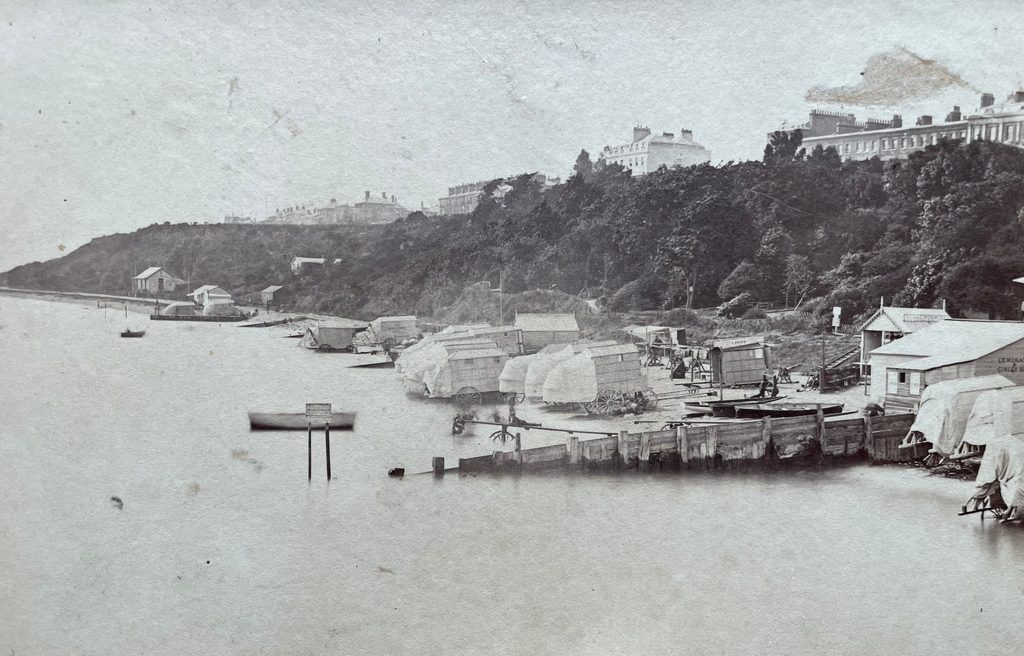
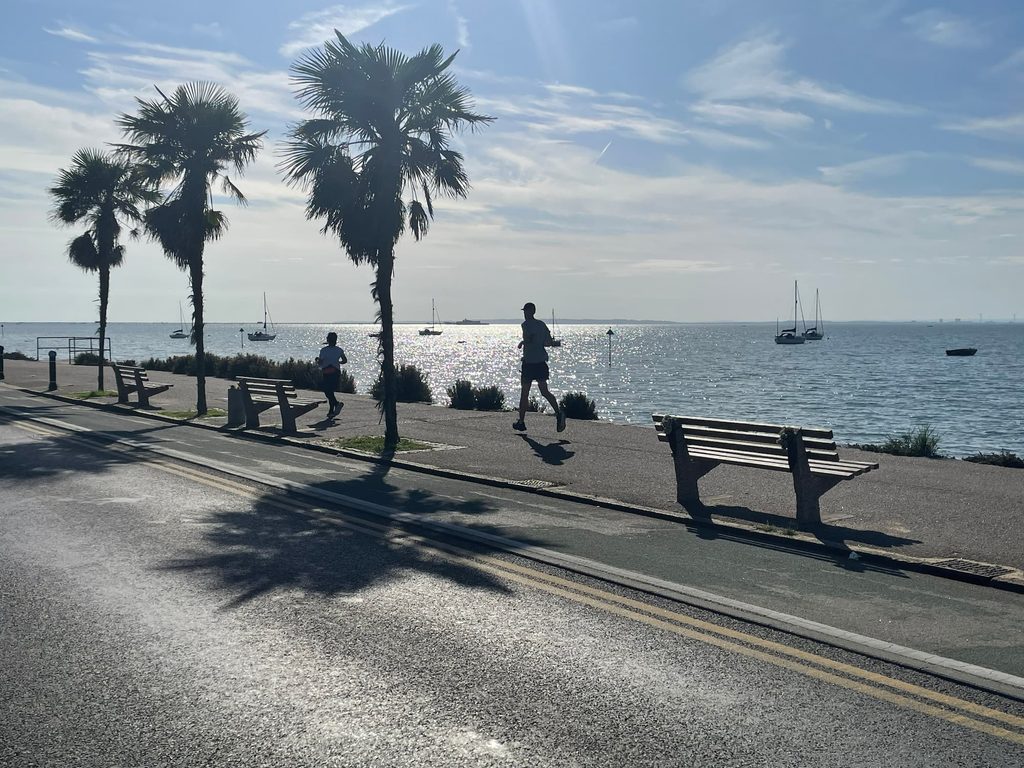
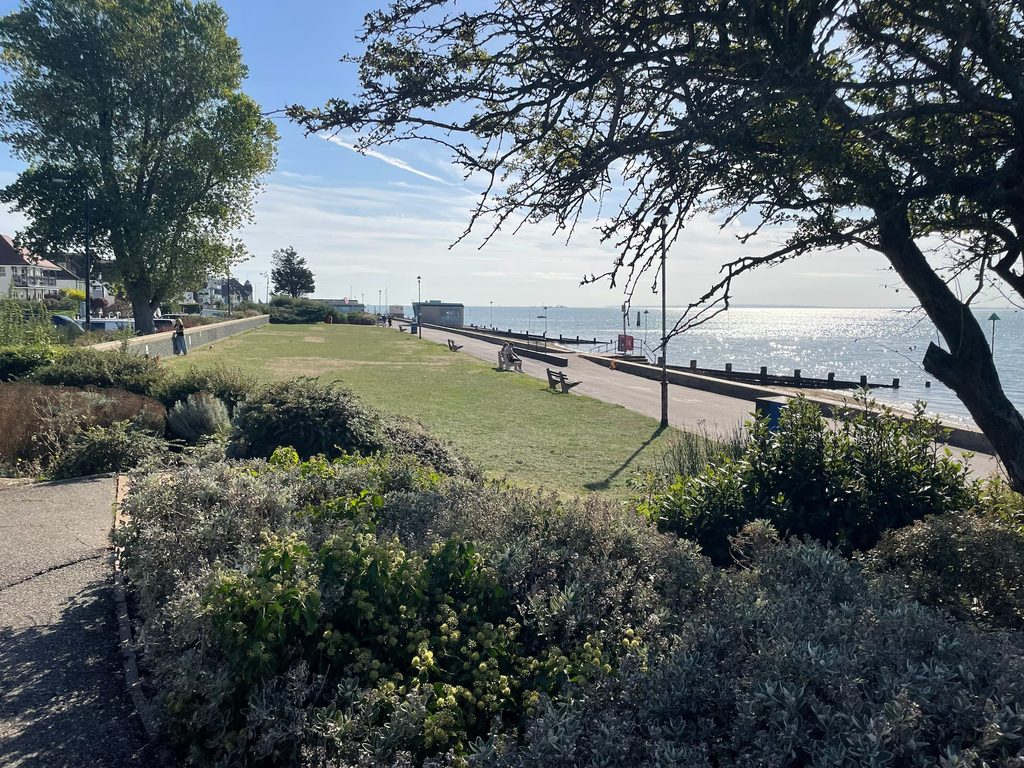
Essex Record Office
Southend’s transformation from a small riverside settlement into a major seaside resort began in the late 18th and early 19th centuries. The Georgians brought the first bathing machines and the use of pleasure boats. In 1856 the arrival of the railway opened the seafront to thousands of visitors from London. The development of the pier, pleasure boats, bathing facilities, promenades, amusement venues and the Kursaal established Southend as a leading seaside destination. During the 20th century, the seafront grew in popularity with the construction of brightly lit penny arcades and amusement venues.
The seafront also has significant wartime and architectural heritage. During the Second World War, it was heavily militarised, with the pier taken over by the Royal Navy and extensive anti-tank defences installed along the beaches. The pier itself, although Grade II listed, would benefit from the additional protection and recognition provided by conservation area status.
The Proposal
The proposal is to extend existing seafront conservation areas and consider creating new ones. Potentially, this could create a continuous area of seafront heritage recognition from Chalkwell through to Adventure Island.
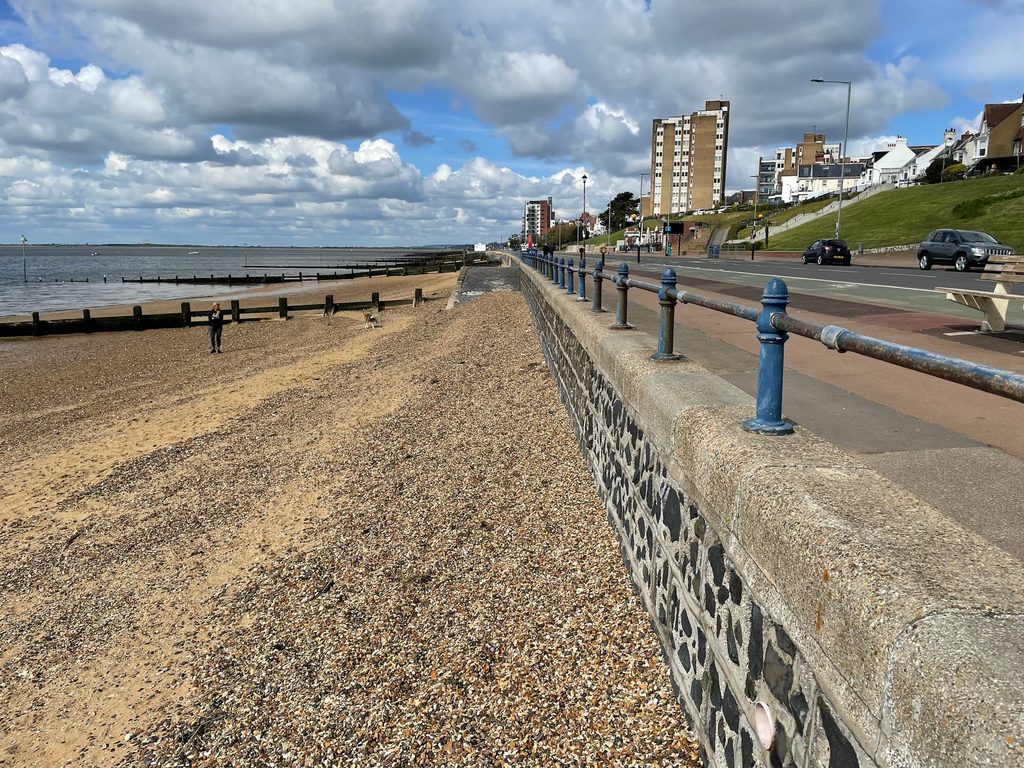
Conservation area designation would recognise both the physical and living heritage of the seafront. This includes the beach, promenade, seawall, railings, breakwaters, historic structures and buildings, as well as the traditions and activities associated with the coast – walking, swimming, entertainment, eating, socialising and family visits. The seafront’s influence also extends inland, shaping our local centres, the orientation, architecture and character of surrounding neighbourhoods.
There is a strong policy basis for action. National legislation, Historic England guidance and Southend’s planning policies all support protecting areas with special architectural or historic interest. The emerging Local Plan also identifies heritage, tourism, regeneration and the coastal environment as strategic priorities.
Recognition could also improve Southend’s ability to access heritage funding for projects such as seawall repairs, historic railings and improvements to seafront features. Conservation status would not prevent development, but would encourage development that respects the character and heritage of the seafront.
The Next Steps
The proposed next steps are for the Council Cabinet to support the principle of recognising Southend’s seaside heritage, followed by detailed assessment and public consultation.
For further information please read our full proposal document here or email chair@miltonsociety.com